Science report
Today’s topic is: An animal that does photosynthesis.
Introduction
Today we are speaking of an animal that relies on light to prepare food in short photosynthesis. Usually, plants do photosynthesis but in this case, the tables are turned.
The name
The name of this unique creature is Leaf Slug or, scientifically speaking, Costasiella kuroshimae. The name is quite Japanese and you guessed it right it was found on the coast of a Japanese island.
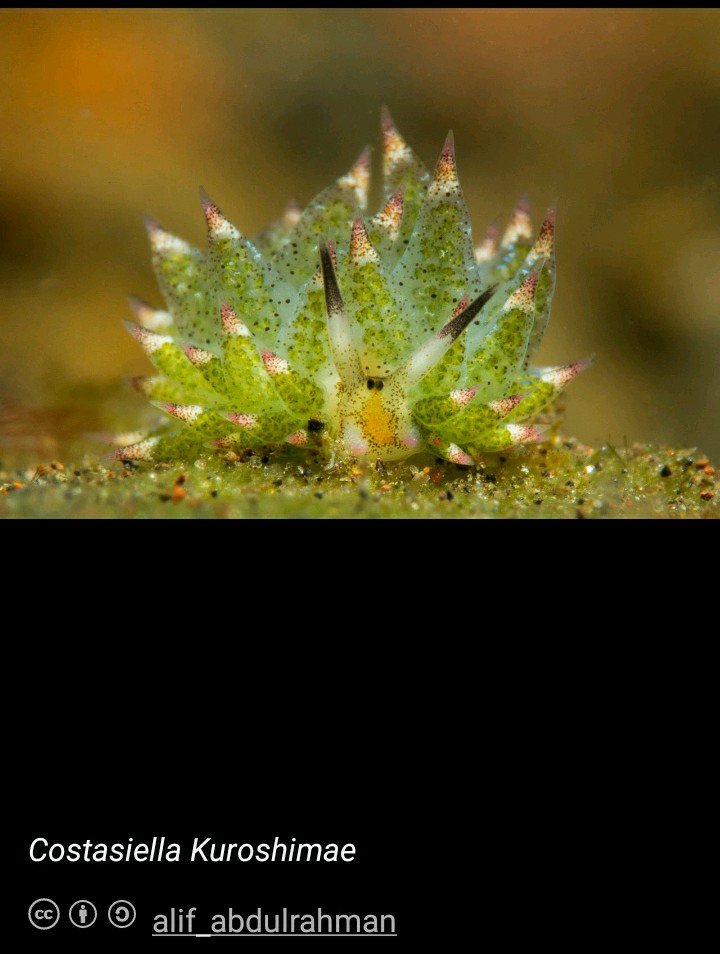
Aww, that’s cute.
How do they do it?
Costasiella kuroshimae are capable of a chemical process called kleptoplasty, in which they retain the chloroplasts from the algae they feed on. Absorbing the chloroplasts from algae then enables them to indirectly perform photosynthesis. (that’s the big fuss all around)
Kleptoplasty
Kleptoplasty is a symbiotic phenomenon whereby plastids, notable chloroplasts from algae, are separated by host organisms. The word is derived from “Kleptes” which is Greek for a thief. The alga is eaten normally and partially digested, leaving the plastid intact. The plastids are maintained within the host, temporarily continuing photosynthesis and benefiting the predator.
There are many such interesting animals and plants which do stunning works. Feel free to comment on them. (i may add it next time)
Source: Wikipedia
And on that note
Bye! Have a great time.
 Science Maniac
Great work dear Ved!
Its really new information for me too!!!
Your papa’s friend
Dr Satish Khandekar
LikeLike
Thank you very much 😁
LikeLike